

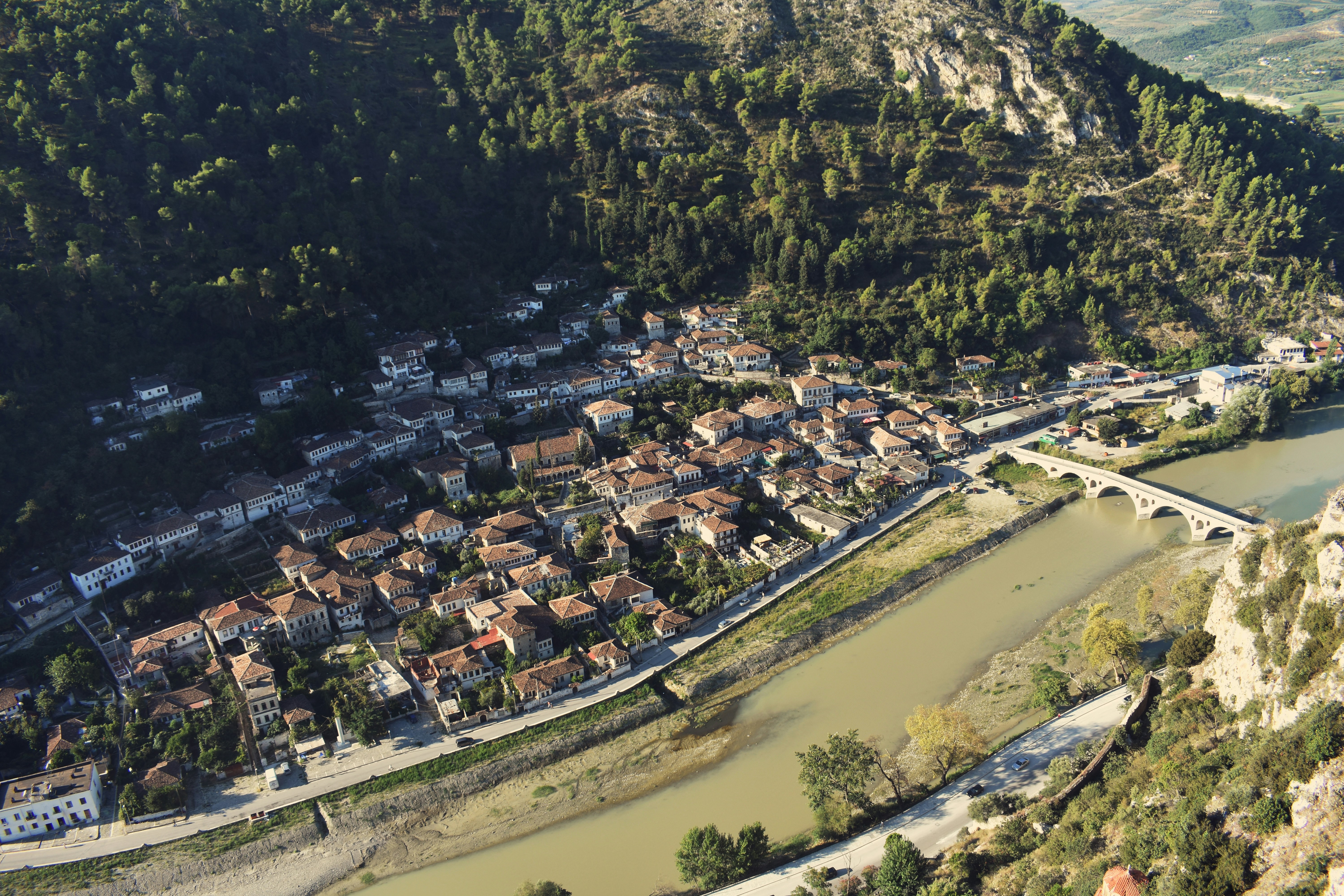
 In the heart of the Andes Mountains, a region rich in history and culture, lies a spiritual practice deeply rooted in indigenous traditions that have endured for centuries. This ancient ritual, known as despacho, offers a profound glimpse into the spiritual connection between humans and the natural world. In this blog post, we will explore the captivating world of despacho, its significance, and the deep cultural ties it maintains with the indigenous communities of the Andes.
In this article I’ll be sharing:
- Origins of despacho
- Despacho meaning
- Despacho ceremony and despacho ceremony instructions
- Modern interpretations of despacho ceremony
The Origins of Despacho and Despacho Meaning
What is despacho and what is despacho meaning? Despacho, also spelled as dispacho, is a ceremonial offering and ritual believed to originate from the Andean cultures of South America, including the Incas and the Quechua people. The term “despacho” itself is derived from the Spanish language, which means “shipment” or “dispatch.” However, in this context, it carries a different meaning entirely. This offering is a way of sending messages, blessings, and intentions to the spirit world or to the divine.
Long before the arrival of the Spanish, Andean peoples had already developed a rich relational cosmology — one where the mountains (the Apus), the earth (Pachamama), the rivers, and the sky were not backdrop but living participants in daily life. This tradition grew out of that worldview. It wasn’t a separate “spiritual practice” set apart from ordinary life the way religion is often treated in the West; it was simply how a community stayed in right relationship with everything around it.
This principle of relationship has a name in Quechua: ayni, often translated as sacred reciprocity. Ayni isn’t a transactional exchange in the way modern commerce is — it’s closer to a worldview where giving and receiving are understood as one continuous motion rather than two separate acts. You don’t just take from the land, harvest its resources, and walk away. You offer something back, not because a rule demands it, but because the relationship itself requires it in order to stay whole. This offering is one of the clearest physical expressions of ayni still practiced today.
Over centuries, this ritual was passed down through paqos, the traditional Andean healers and ceremonial leaders, often within families or lineages stretching back generations. A paqo’s training is rarely formal in the Western sense — it tends to unfold through years of apprenticeship, direct experience with the land, and a kind of inherited sensitivity to energy that is recognized and nurtured within community rather than taught from a book. While colonization suppressed and pushed much of this knowledge underground, the tradition survived in rural communities throughout Peru, Bolivia, and Ecuador, carried quietly by families who continued the practice even when it wasn’t safe to speak of it openly. In more recent decades, it has found its way into the broader world of shamanic and ceremonial practice internationally, as more people outside the Andes have sought out paqos willing to teach.
The Ritual of Making a Despacho and Despacho Ceremony Instructions
What are despacho ceremony instructions? Creating this ceremonial bundle is a meticulous and intricate process that involves a blend of physical materials, symbolic items, and intention. Here’s a basic outline of the steps involved in making a traditional offering:
Choosing a Location: The location is essential for creating a strong connection between the ceremony and the natural world. Sacred places like mountaintops, riverbanks, and forests are often selected.
Gathering Materials (or despacho ingredients): A wide array of natural and symbolic materials are collected, including colorful flower petals, grains, herbs, leaves, and even symbolic objects like figurines and candies.
Layering the Offering: The materials are layered in a specific order, often starting with the earth element (grains, seeds), followed by water (flowers, perfumes), fire (candles), and finally, the air (symbolic objects).
Setting Intentions: The participants infuse the bundle with their intentions, prayers, and wishes, focusing on healing, protection, gratitude, and various other spiritual and personal needs.
Wrapping the Bundle: The offering is then wrapped in a piece of cloth, often intricately folded or tied in a specific way, symbolizing the sacred geometry of Andean cosmology.
Burning or Burial: The bundle is either burned or buried as an offering to the earth or the spirits. This act is believed to send the intentions and offerings to the spirit world.
Every material chosen carries its own layer of meaning. Sweets and candies are often included as an offering to the “sweetness” of life — inviting joy and ease rather than only solemn requests. Seeds and grains represent fertility, abundance, and the cycles of growth. Colored yarn or thread, sometimes woven through the bundle, can represent the threads connecting a person to their family, their community, and their ancestors. Nothing in the finished offering is arbitrary; the entire bundle is essentially a physical prayer, built piece by piece, where the how of assembling it matters as much as the what.
The number of participants matters too. This kind of offering can be made alone, but it’s traditionally most powerful in community, where each person contributes an ingredient and an intention, layering their individual prayers into one shared bundle. This communal element reflects the same reciprocity at the heart of the practice — healing and gratitude aren’t private transactions between an individual and the divine, but something woven through the whole web of relationships a person belongs to. A gathering built around this kind of offering often becomes as much about the shared act of creation as it is about whatever ultimately happens to the finished bundle.
Significance and Purpose of Despacho Ceremony
Despacho serves multiple purposes within the Andean culture and other communities where the ritual is practiced. Some of the key aspects of despacho ceremony and despacho ingredients include:
Healing and Cleansing: Despacho ceremonies are often performed to promote healing and cleanse negative energies, either on a personal or collective level.
Gratitude and Offerings: It is a way to show gratitude to Pachamama (Mother Earth) and the spirits of the land, who are revered in Andean spirituality.
Connection with Nature: The ritual underscores the deep connection between humans and the natural world, reinforcing the idea that everything is interconnected.
Setting Intentions: It’s an opportunity to set positive intentions, seek blessings, or request guidance from the divine.
These ceremonies are also commonly held at significant turning points — the change of seasons, the start of a new venture, a marriage, a death, or a period of illness. In these moments, this kind of offering functions almost like a formal acknowledgment: a way of saying, out loud and in physical form, that something is shifting, and that shift deserves to be honored rather than rushed past. Some communities also perform this ritual on a regular calendar basis, independent of any particular life event, simply as an ongoing practice of staying in right relationship with the land and the seasons rather than something reserved only for crisis or celebration.
Modern Interpretations of Despacho Meaning
While this ceremony has deep roots in ancient traditions, it continues to evolve and adapt in contemporary contexts. Today, people from various cultural backgrounds are drawn to the practice for its spiritual, healing, and meditative aspects. Some use it as a way to connect with the environment and foster a sense of harmony and balance in their lives.
In modern ceremonial and shamanic circles outside of Peru, this offering has often been incorporated alongside other plant medicine and shamanic journey work, sometimes opening or closing a larger ceremony. Facilitators trained in this tradition emphasize that the practice should be approached with the same respect and reciprocity it was built on — not as an aesthetic ritual borrowed for its visual beauty, but as a genuine practice of offering and relationship. Fully understanding what this ritual represents means recognizing it isn’t a technique to perform, but a relationship to enter into, one that asks something real of the person making the offering rather than simply providing them with an experience to have.
If you’re curious to witness or participate in one yourself, seek out a facilitator with a genuine lineage connection or direct training with a paqo, rather than a generic ceremony that borrows the aesthetic without the underlying relationship the practice is built on. The difference tends to be immediately felt — a ceremony held with real reciprocity in mind carries a different quality of attention than one assembled purely for visual or symbolic effect.
In Conclusion
If you’ve been curious about what is despacho, despacho meaning, despacho ingredients, or despacho ceremony instructions, there are many ways to get started, and I encourage you to explore for yourself. This ceremony is a profound and beautiful practice that has transcended time and cultural boundaries. It embodies the rich history and spirituality of the Andean people while offering a universal message of interconnectedness with the natural world. Whether performed as part of indigenous rituals or embraced by individuals seeking a deeper spiritual connection, this tradition serves as a reminder of the enduring power of ancient traditions and their ability to inspire and transform our lives in the modern age.
Rituals like this one are beautiful reminders that spirituality isn’t only about ceremony — it’s about developing a deeper relationship with your own intuition, energy, and connection to the unseen world.
When You Hold Ceremony for Others
If you’re a ceremonialist or facilitator, you know how much respect traditions like this deserve, and how strange it can feel to practice one that isn’t your own. The Way of the Hollow Bone Master Healer Certification is a nine-month path for practitioners ready to honor the lineages that shaped them, create safe and ethical ceremonial containers, and bring their own medicine into the sacred work they offer. Apply now if you’re ready to hold ceremony as yourself.